
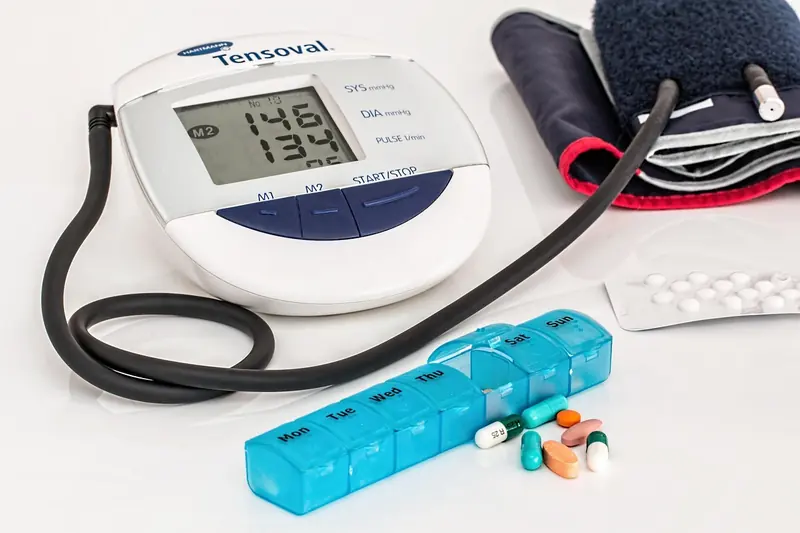
High blood pressure (hypertension) and diabetes are long-term conditions. They often cause no symptoms at first, which is why regular review matters. Here is what ongoing care usually involves.
Why regular reviews matter
Over time, high blood pressure and high blood sugar can affect the heart, blood vessels, eyes, kidneys, nerves and feet. Regular checks help to keep these conditions controlled and to pick up changes early.
What a review usually includes
- A discussion of symptoms and how you are managing day to day
- Blood pressure and weight measurements
- Blood tests when they are indicated, such as blood sugar, cholesterol and kidney function
- A review of your medicines, including side effects
- Checks for complications, such as the eyes, kidneys and feet where appropriate
- Advice on diet, physical activity and other lifestyle factors
Taking your medicines
Many people stop their medicine when they feel well, or miss doses because of cost or side effects. Tell your doctor if this is happening. There are often options, and stopping suddenly may not be safe.
Lifestyle
Healthy eating, regular activity, a healthy weight, limiting alcohol and not smoking all help. Small, realistic changes that you can keep up are more useful than big changes that you cannot.
Medical aid chronic benefits
Many medical aids pay for chronic medicine when your condition is registered on a chronic benefit. Requirements differ between schemes. Ask your scheme or the rooms what is needed, and bring your recent test results to your first visit.
Questions to ask at your review
- Are my results where they should be?
- When should I come back?
- Which warning signs mean I should see a doctor sooner?
Read more about chronic care at Dr Omar's rooms in Rondebosch.